Treatments
Fracture & Trauma Surgery
Prompt, precise fracture fixation that puts broken bones back in line and gets you moving early.
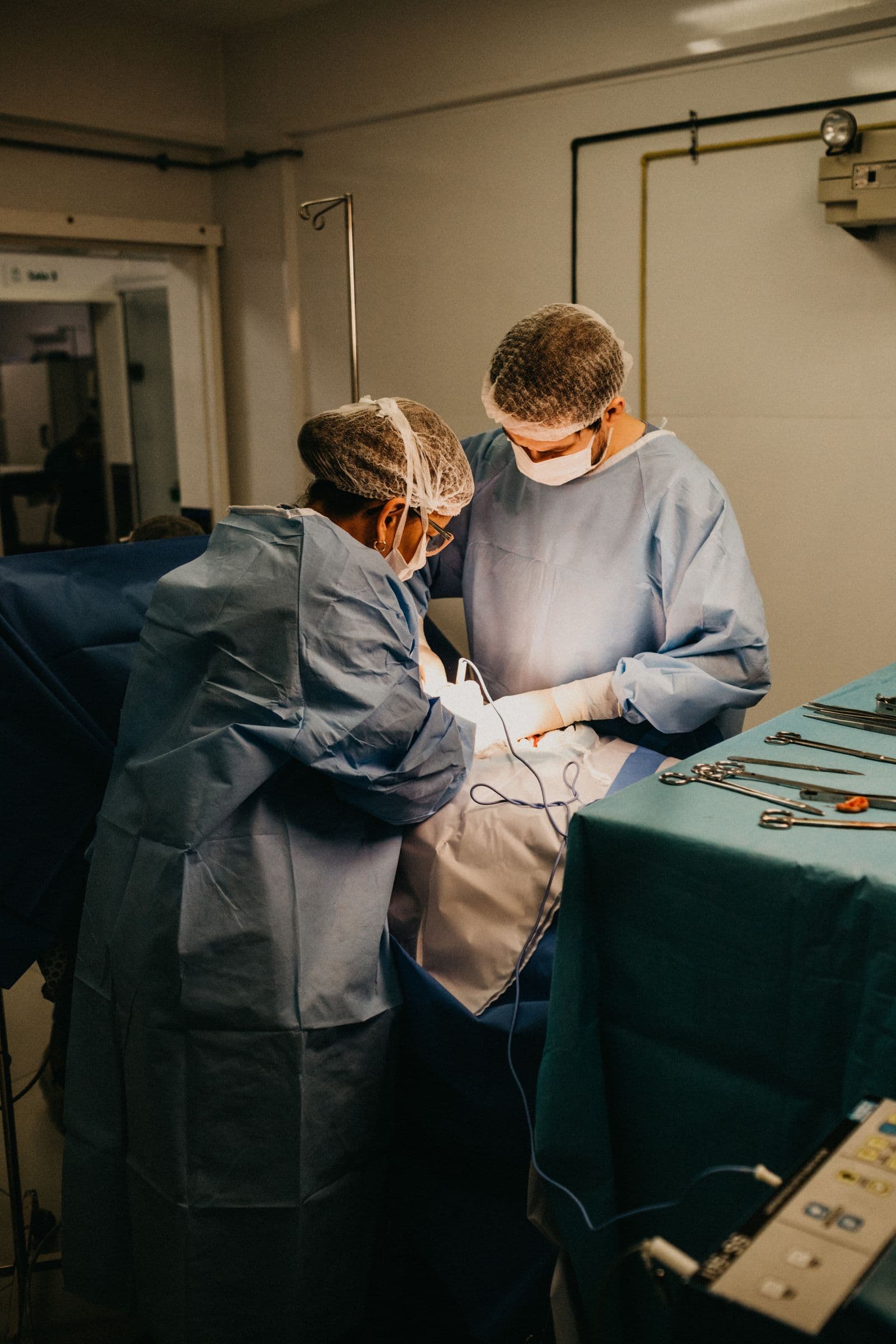
Understanding the procedure
Fracture care is about far more than making bone heal; it is about making sure the limb works perfectly afterwards. Simple, well-aligned fractures often heal in a cast. Displaced, unstable or joint-involving fractures do better with surgical fixation, where the fragments are realigned precisely and held with plates, screws, nails or wires so the joint can start moving early instead of stiffening in plaster.
Dr. Manish Saini is an AO Trauma member with specialist training in fracture fixation, treating injuries from wrist and ankle fractures to complex fractures around the hip, knee and shoulder in Surat. Elderly hip fractures receive particular urgency, because timely surgery and early walking protect not just the hip but the patient's overall health.
When to take an injury seriously
If several of these sound familiar, it is worth a proper assessment. Naming the problem early keeps more options open.
Severe pain and swelling immediately after a fall or accident
A limb that looks bent, shortened or out of shape
Inability to put weight on the leg or use the arm
Grating or movement where the limb should be solid
Bruising that spreads over hours after the injury
Numbness or tingling beyond the injury site
Pain from an older injury that never settled, suggesting a fracture that has not healed
Is it the right time?
Surgery is offered only when it is clearly the better path. These are the signs that usually tip the balance.
The broken fragments are displaced or unstable and will not stay aligned in a cast.
The fracture line enters a joint, where even millimetres of step-off can cause lifelong arthritis.
An elderly patient has a hip fracture, where early surgery and early walking are safest.
The same limb has multiple injuries, or bone has broken through the skin, needing urgent surgical care.
A previous fracture is not healing (non-union) or has healed crooked (mal-union).
Your treatment options
Non-surgical care always comes first. Surgery enters the conversation only when simpler measures no longer control your symptoms.
Cast and brace treatment
Where treatment begins
Undisplaced, stable fractures heal reliably in a well-moulded cast or functional brace with scheduled X-ray checks. When alignment can be maintained without surgery, this is the treatment of choice.
Closed reduction
Some displaced fractures can be realigned without an incision, under anaesthesia, and then held in a cast. Careful follow-up confirms the position is holding as swelling settles.
Internal fixation
Displaced and joint-involving fractures are realigned openly or through minimally invasive approaches and fixed with plates, screws or intramedullary nails, allowing early joint movement.
Joint replacement for selected fractures
Certain hip and shoulder fractures in older patients are best treated by replacing the broken joint, letting the patient walk within a day rather than waiting months for fragile bone to heal.
What this treatment changes
The outcomes that matter to patients, stated plainly.
Anatomical alignment
Precise reduction restores the limb's length, rotation and joint surfaces, the foundation of a fully working limb.
Early movement
Stable fixation lets joints move within days, preventing the stiffness and muscle loss that prolonged casting causes.
Faster return to independence
For hip fractures especially, prompt surgery and early walking protect mobility, morale and overall health.
AO-standard techniques
Fixation follows internationally standardised AO principles for implant choice and technique.
Solutions for failed healing
Non-unions and mal-unions can be corrected with revision fixation and bone grafting, even long after the original injury.
Recovery
Your road back, phase by phase
Every recovery is individual. These are the typical milestones patients can expect, reviewed together at each follow-up.
Day 0-3
Surgery and stabilisation
The fracture is fixed, pain is controlled and safe movement begins. Hip fracture patients are helped to stand within a day whenever possible.
Week 1-6
Protected healing
Wounds heal and early joint movement continues. Weight-bearing is advanced according to the fracture pattern and fixation strength.
Week 6-12
Bone union
Most fractures unite in this window, confirmed on X-ray. Load increases steadily as the bone takes over from the implant.
Month 3-6
Strength and function
Physiotherapy rebuilds muscle bulk, joint motion and confidence. Most work and daily activities resume fully.
Month 6-12
Remodelling
Bone continues to strengthen along lines of stress. Return to impact sport is cleared once union and strength are confirmed.
Questions patients ask
Honest answers to the questions raised most often in the clinic.
Related treatments
Discuss fracture care with Dr. Saini.
A careful examination, an honest opinion and a plan you understand. OPD hours: Mon to Sat, 10:00 AM to 1:00 PM and 5:00 PM to 8:00 PM.