Treatments
Shoulder Replacement
Anatomic and reverse shoulder replacement to relieve deep shoulder pain and bring your arm back to life.
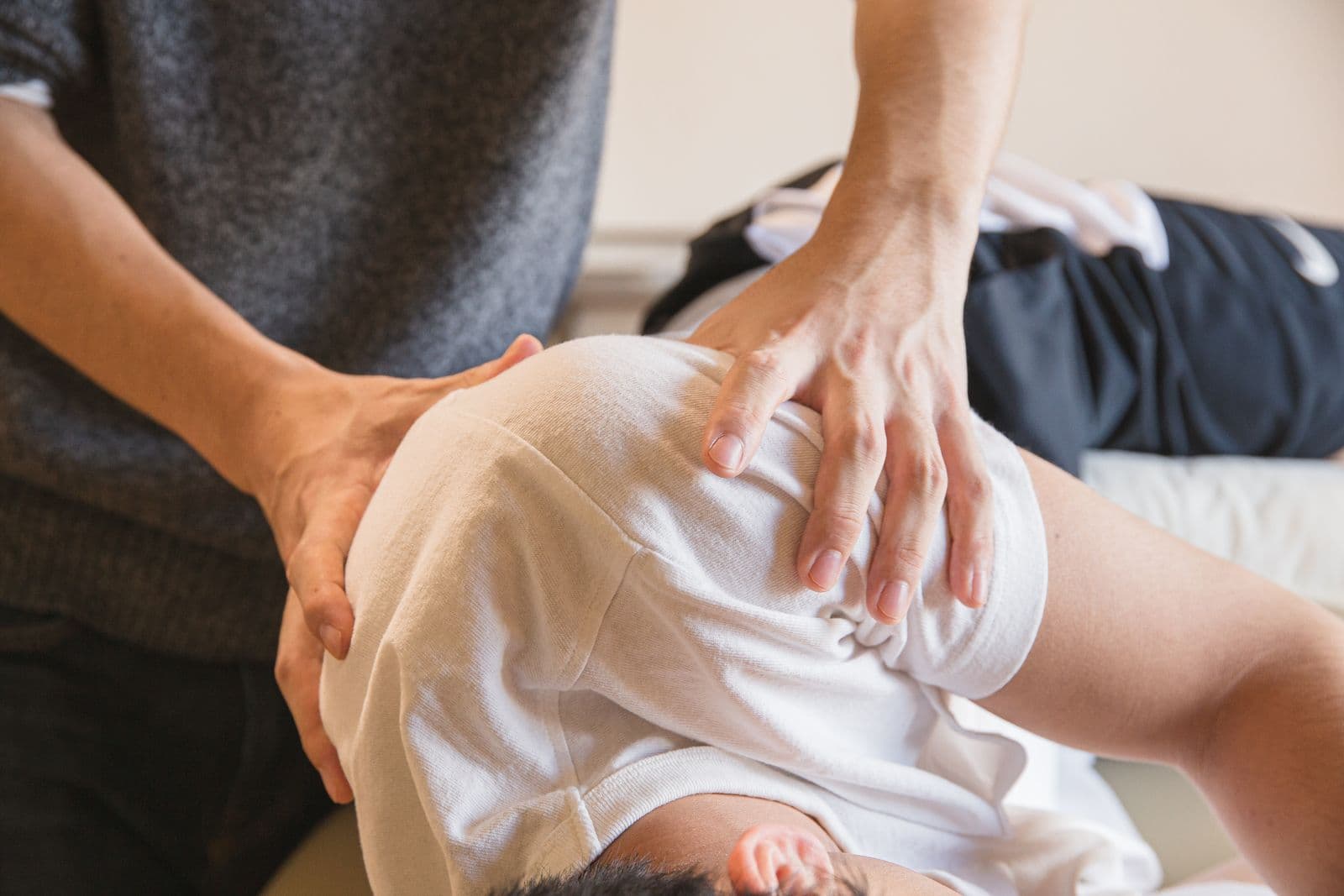
Understanding the procedure
Shoulder replacement resurfaces or replaces the ball-and-socket of the shoulder when arthritis, old fractures or massive rotator cuff damage have destroyed the joint. There are two main designs. Anatomic replacement copies the natural shape of the joint and suits patients with arthritis and healthy cuff tendons. Reverse shoulder replacement swaps the position of the ball and socket, allowing the large deltoid muscle to power the arm when the rotator cuff can no longer do its job.
Shoulder replacement is less common than knee or hip replacement, and outcomes depend heavily on surgical precision and structured rehabilitation. Dr. Manish Saini plans each shoulder replacement in Surat from detailed imaging, chooses the design that fits your anatomy and tendon quality, and guides a phased physiotherapy programme that protects the repair while steadily restoring reach.
When to take shoulder pain seriously
If several of these sound familiar, it is worth a proper assessment. Naming the problem early keeps more options open.
Deep, aching shoulder pain present day and night
Pain when lying on the affected shoulder
Loss of motion that makes combing hair or reaching a shelf difficult
Grinding or clicking from within the joint
Weakness lifting the arm away from the body
Difficulty with dressing, bathing and reaching behind the back
Little lasting relief from painkillers, physiotherapy or injections
Is it the right time?
Surgery is offered only when it is clearly the better path. These are the signs that usually tip the balance.
Imaging shows advanced shoulder arthritis with the joint surfaces worn away.
A massive, irreparable rotator cuff tear has left the arm weak and the joint damaged (cuff tear arthropathy).
An old fracture of the shoulder has healed badly and destroyed the joint surface.
Pain and stiffness persist despite a proper trial of non-surgical care.
Sleep and basic self-care are being lost to shoulder pain.
Your treatment options
Non-surgical care always comes first. Surgery enters the conversation only when simpler measures no longer control your symptoms.
Medication, injections and activity care
Where treatment begins
Analgesics, targeted steroid injections and sensible activity modification are always tried first for shoulder arthritis, and can keep symptoms manageable for a long time in early disease.
Structured physiotherapy
A supervised programme maintains motion and strengthens the muscles that stabilise the shoulder blade, easing load on the damaged joint and preserving function.
Anatomic total shoulder replacement
For arthritis with intact rotator cuff tendons, the worn ball and socket are resurfaced in their natural configuration, restoring smooth, powered movement.
Reverse shoulder replacement
When the rotator cuff is beyond repair, the reversed design lets the deltoid muscle raise the arm instead. It is a reliable solution for cuff tear arthropathy and complex fractures in older patients.
What this treatment changes
The outcomes that matter to patients, stated plainly.
Relief of deep joint pain
Replacing the worn surfaces addresses the source of arthritic shoulder pain, including the night pain that erodes sleep.
Restored reach
Most patients regain the practical arcs of movement that matter: reaching shelves, dressing and personal care.
A working arm without a cuff
The reverse design restores lifting power even when the rotator cuff is irreparable, something no other treatment offers.
Durable implants
Contemporary shoulder replacements show strong survivorship in published series, commonly serving 15 years and beyond.
A planned, phased recovery
Rehabilitation follows a clear protocol, so you always know what the shoulder is allowed to do and when.
Recovery
Your road back, phase by phase
Every recovery is individual. These are the typical milestones patients can expect, reviewed together at each follow-up.
Week 0-3
Protection
The arm rests in a sling while the tissues heal. Gentle hand, wrist and elbow exercises begin immediately to keep the limb supple.
Week 3-6
Early motion
The sling is weaned and assisted shoulder movements begin under physiotherapy guidance, restoring safe, pain-free arcs.
Week 6-12
Active movement
You start lifting the arm actively and using it for light daily tasks, with steady gains in reach and comfort.
Month 3-4
Strengthening
Progressive resistance work rebuilds the deltoid and remaining cuff muscles. Driving and most routine activities resume.
Month 4-6
Full recovery
Function plateaus near its final level, with continued small gains up to a year. Heavy overhead loading is discussed individually.
Questions patients ask
Honest answers to the questions raised most often in the clinic.
Related treatments
Discuss shoulder replacement with Dr. Saini.
A careful examination, an honest opinion and a plan you understand. OPD hours: Mon to Sat, 10:00 AM to 1:00 PM and 5:00 PM to 8:00 PM.